

Red Tier

Red Tier Case

In stock

Original price was: $45.00.Current price is: $40.00.

Description

The Inferno Collection

The Red Tier Case is inspired by strength, resilience and intensity. The matte black geometric shell contrasts with vibrant red detailing, creating a bold appearance without sacrificing the premium aesthetic.

The faceted exterior represents strength under pressure, while the red hardware identifies the British Dragon Red Tier at a glance.

Features

* Matte black geometric textured shell
* Metallic red clip and internal insert
* Secure multi-vial storage
* Impact-resistant hard case
* Designed for British Dragon Red Tier compounds

Reviews

There are no reviews yet.

Be the first to review “Red Tier Case”

Your email address will not be published. Required fields are marked *

Knowledge Hub

Research & Education

Guides and reference material related to Red Tier Case.

  • Comparison

    Wolverine 20: BPC-157 & TB-500 Synergistic Tissue Repair Pathways

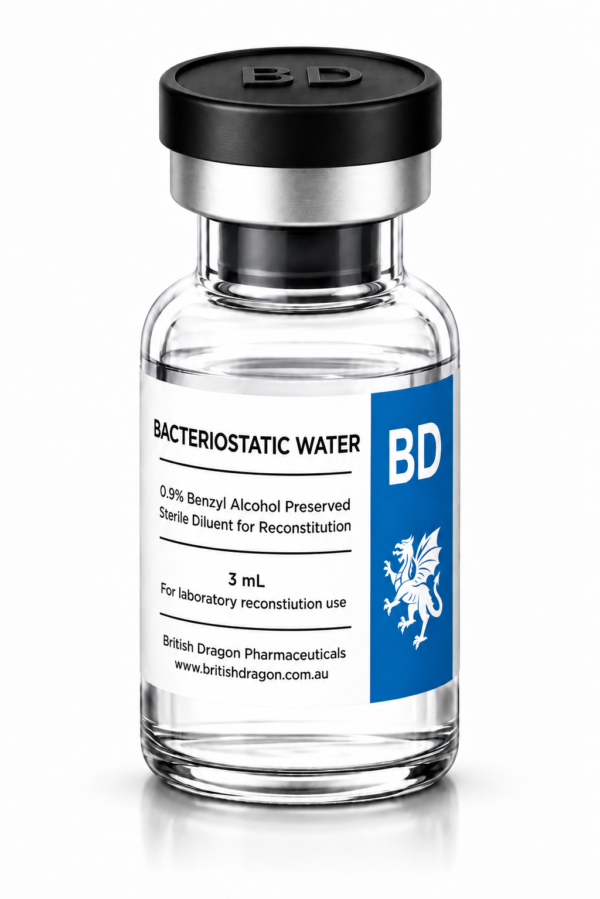
    Examining the multi-modal angiogenic and cellular migration dynamics when pairing stable gastric pentadecapeptide BPC-157 with actin-sequestering peptide TB-500 in tissue culture and connective tissue assays.

    Compound
    bpc-157, tb-500
    Last reviewed
    Revision
    1.1
    Read guide: Wolverine 20: BPC-157 & TB-500 Synergistic Tissue Repair Pathways

  • Compound Guide

    Retatrutide (GLP-1 / GIP / Glucagon Tri-Agonist): Molecular Mechanisms & Preclinical Findings

    An in-depth biochemical review of Retatrutide (LY3437943), examining its multi-target agonist activity at GLP-1, GIP, and glucagon receptors, downstream cAMP accumulation, and energetic homeostasis in laboratory research models.

    Compound
    Retatrutide
    Last reviewed
    Revision
    1.2
    Read guide: Retatrutide (GLP-1 / GIP / Glucagon Tri-Agonist): Molecular Mechanisms & Preclinical Findings
  • Testing / COA Education

    Reading Lab Certificates of Analysis (COA): HPLC Traces & Mass Spectrometry

    A practical guide to interpreting analytical test reports: deciphering RP-HPLC chromatograms, understanding baseline integration, verifying electrospray ionization (ESI-MS) molecular mass, and evaluating third-party lab verification.

    Compound
    Retatrutide, mots-c
    Last reviewed
    Revision
    1.0
    Read guide: Reading Lab Certificates of Analysis (COA): HPLC Traces & Mass Spectrometry

Browse the Knowledge Hub

  • Testing / COA Education

    Reading Lab Certificates of Analysis (COA): HPLC Traces & Mass Spectrometry

    A practical guide to interpreting analytical test reports: deciphering RP-HPLC chromatograms, understanding baseline integration, verifying electrospray ionization (ESI-MS) molecular mass, and evaluating third-party lab verification.

    Compound
    Retatrutide, mots-c
    Last reviewed
    Revision
    1.0
    Read guide: Reading Lab Certificates of Analysis (COA): HPLC Traces & Mass Spectrometry
  • Handling / Storage

    Peptide Reconstitution & Storage: Preserving Lyophilized Cake Stability

    Essential laboratory guidelines for reconstituting lyophilized peptides: selecting diluents, minimizing shear stress during fluid introduction, temperature cycling parameters, and optimal freeze-thaw mitigation.

    Last reviewed
    Revision
    2.0
    Read guide: Peptide Reconstitution & Storage: Preserving Lyophilized Cake Stability
  • Comparison

    Wolverine 20: BPC-157 & TB-500 Synergistic Tissue Repair Pathways
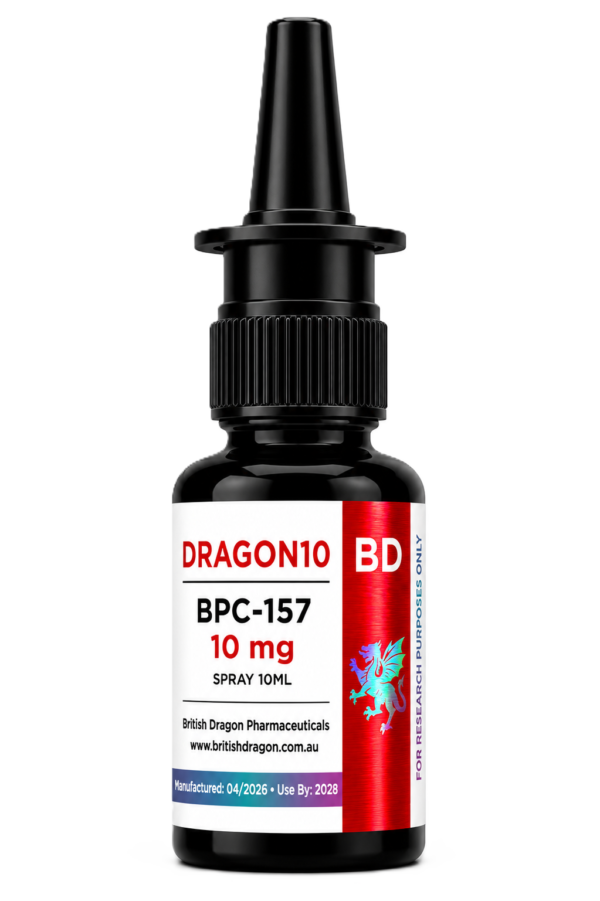
    Examining the multi-modal angiogenic and cellular migration dynamics when pairing stable gastric pentadecapeptide BPC-157 with actin-sequestering peptide TB-500 in tissue culture and connective tissue assays.

    Compound
    bpc-157, tb-500
    Last reviewed
    Revision
    1.1
    Read guide: Wolverine 20: BPC-157 & TB-500 Synergistic Tissue Repair Pathways
  • Compound Guide

    Retatrutide (GLP-1 / GIP / Glucagon Tri-Agonist): Molecular Mechanisms & Preclinical Findings

    An in-depth biochemical review of Retatrutide (LY3437943), examining its multi-target agonist activity at GLP-1, GIP, and glucagon receptors, downstream cAMP accumulation, and energetic homeostasis in laboratory research models.

    Compound
    Retatrutide
    Last reviewed
    Revision
    1.2
    Read guide: Retatrutide (GLP-1 / GIP / Glucagon Tri-Agonist): Molecular Mechanisms & Preclinical Findings